
Education

News & Blogs

News

Australian Government Announces Student Debt Relief Plan: What You Need to Know

The Australian government has recently unveiled a bold initiative aimed at alleviating the burden of student debt for millions of Australians.

Published on
August 9, 2024

The Australian government has recently unveiled a bold initiative aimed at alleviating the burden of student debt for millions of Australians. The plan, which involves significant changes to how student loan interest is calculated, is poised to wipe out approximately $3 billion in debt for over 3 million individuals. While hailed as a step in the right direction by many, it has also sparked debate and scrutiny from various quarters.

Key Points
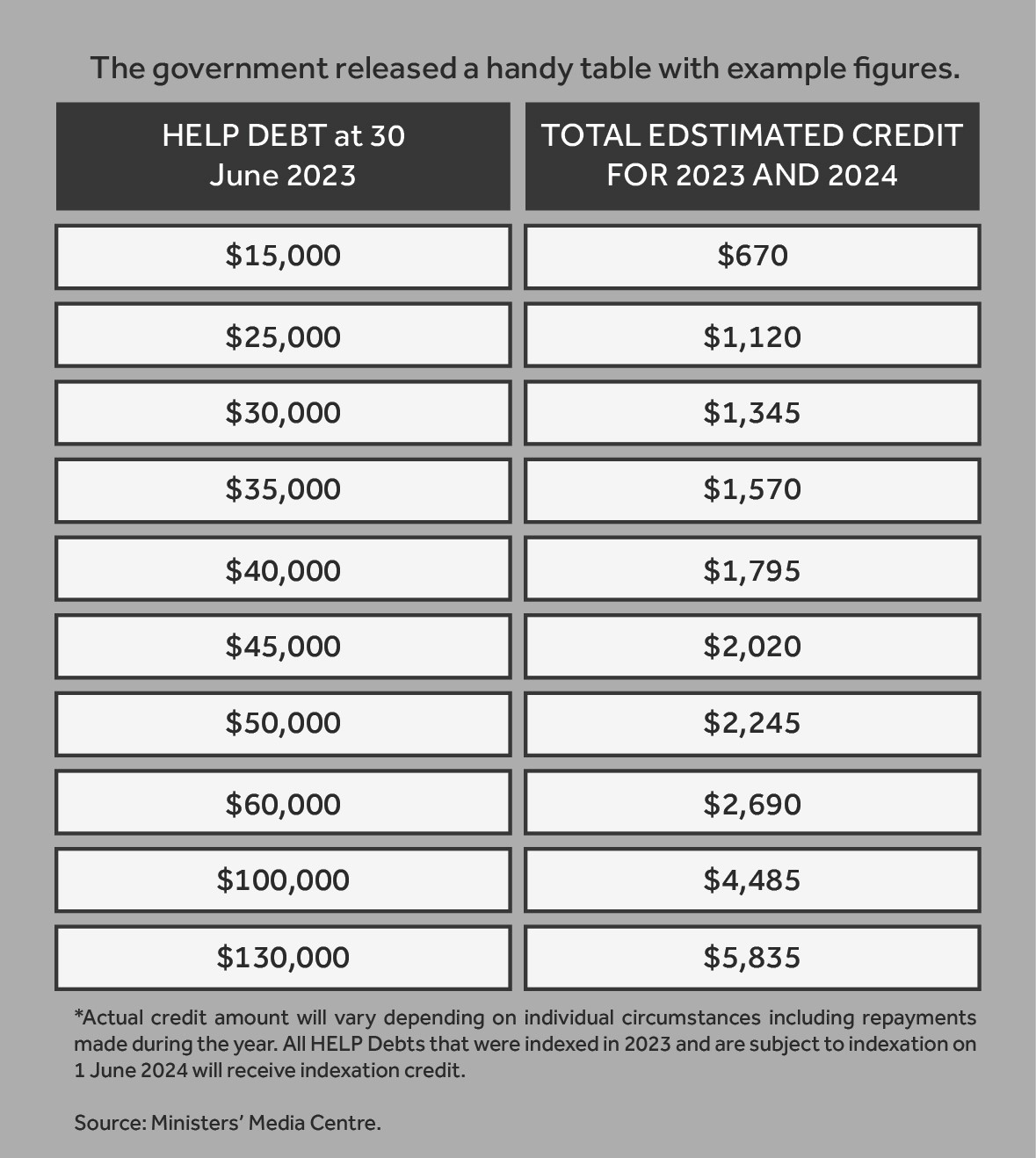
  • $3 Billion Debt Relief: The cornerstone of the plan is the elimination of around $3 billion in student debt for over 3 million Australians. This substantial relief is expected to bring much-needed financial respite to countless individuals struggling with the weight of their student loans.
  • Interest Calculation Change: The debt relief is achieved through a backdated change to how student loan interest is calculated, with the adjustment applied from the previous year. As a result, many borrowers stand to receive significant refunds, potentially amounting to thousands of dollars.

  • HECS Debts Not Entirely Eliminated: Despite the sizable relief offered, it's important to note that the plan does not eliminate HECS debts entirely. While it provides substantial assistance, borrowers will still be responsible for repaying a portion of their student loans.
  • Tax Credit for Early Repayments: Individuals who have already paid off their HECS debts in anticipation of high indexation will not miss out entirely. Instead of a refund, they will be eligible for a tax credit, ensuring that their proactive repayments are duly recognised.
  • Indexation Rate Cap: A significant aspect of the plan involves capping the indexation rate at the lower of inflation (CPI) or wage growth (WPI) from June 1, 2023, onwards. This measure is designed to prevent student debt from spiralling out of control due to high inflation rates.
  • Addressing Inflation Concerns: The decision to cap the indexation rate is a direct response to concerns about the impact of high inflation on student debt. By implementing this change, the government aims to mitigate the adverse effects of inflation on borrowers.
  • Criticism and Opposition: Despite the government's efforts, the plan has faced criticism from the opposition, who deem it a "band-aid solution." Some critics attribute the high inflation to the government's spending practices, raising questions about the long-term sustainability of the relief measures.
  • Expert Analysis: Experts caution that while the plan offers significant relief, indexation rates may still exceed 4% this year. This could potentially limit the effectiveness of the relief provided, particularly for borrowers facing substantial debt burdens.
  • Exclusions for Fully Repaid Debts: Individuals who have already fully repaid their HECS debts will not be eligible for a direct refund under the plan. While this exclusion may disappoint some, the provision of tax credits ensures that early repayments are not overlooked.

Impact

The Australian government's student debt relief plan is poised to have far-reaching implications for millions of borrowers across the country. While it offers substantial relief for many, it also underscores the ongoing challenges associated with managing student debt in an environment of economic uncertainty and inflationary pressures. Moving forward, the effectiveness of the plan will depend on its ability to strike a balance between providing relief for borrowers and addressing broader economic concerns.

Conclusion

As the Australian government takes decisive steps to alleviate the burden of student debt, the nation stands at a critical juncture in its efforts to support higher education and ensure financial security for its citizens. While the road ahead may be fraught with challenges, the commitment to addressing student debt is a positive sign of progress towards a more equitable and sustainable future.

News & Blogs

Lending
March 18, 2026

Improve Your Appeal To Lenders

Securing a home loan isn’t just about how you see your finances—it’s about how lenders assess them. This article outlines practical strategies to strengthen your borrowing position, helping you improve serviceability, avoid common pitfalls, and increase your chances of successfully growing your property portfolio.

Read more
Arrow_right_alt
Retirement
March 18, 2026

The Implications of Not Having Enough in Retirement

Many people dream of a comfortable and fulfilling retirement, yet the reality can look very different without proper planning. This article explores the potential consequences of not having enough saved for retirement, highlighting how financial shortfalls can impact lifestyle, independence, and long-term security—and why taking action early can make all the difference.

Read more
Arrow_right_alt
News
March 18, 2026

Market Update - 18 March 2026

Global markets are navigating heightened uncertainty as geopolitical tensions in the Middle East continue to drive volatility across key asset classes. With oil prices reacting sharply to developments in the Strait of Hormuz and central banks facing renewed inflationary pressure, investors are closely watching how events unfold and what this means for the broader economic outlook.

Read more
Arrow_right_alt

Subscribe to our Newsletter

Stay in the know with the latest updates, insights, and exclusive content delivered straight to your inbox.

Thank you! Your submission has been received!
Oops! Something went wrong while submitting the form.