
.jpg)

Last week, the government implemented adjustments to the stage three tax cuts, which were originally introduced by the previous Liberal government.

Last week, the government implemented adjustments to the stage three tax cuts, which were originally introduced by the previous Liberal government. These changes aim to deliver more equitable financial relief, particularly targeting low and middle-income earners who have been disproportionately impacted by the rising cost of living. Initially heavily skewed towards high-income individuals, the revised plan strives to distribute benefits more fairly across the income spectrum.
The Income Tax System Before Stage 3 Tax Cuts
Prior to the stage three tax cuts, Australia's income tax system consisted of four tax brackets:
For instance, someone earning $50,000 per year would pay:
Original Stage Three Tax Cuts
The original stage three tax cuts were set to take effect on July 1, 2024. The key changes included eliminating the 37% marginal tax rate for those earning more than $120,000 per year and reducing the 32.5% tax rate to 30% for incomes between $45,000 and $200,000. This would create a single 30% tax bracket for individuals earning between $45,000 and $200,000, with the 45% rate remaining for incomes above $200,000.
However, this plan primarily benefited high-income earners:
Adjusted Tax Cuts
The redesigned stage three tax cuts introduce several notable changes:
Under the new scheme, high-income earners will see reduced benefits. For example, an individual earning $200,000 will now save $4,546 instead of $9,075.
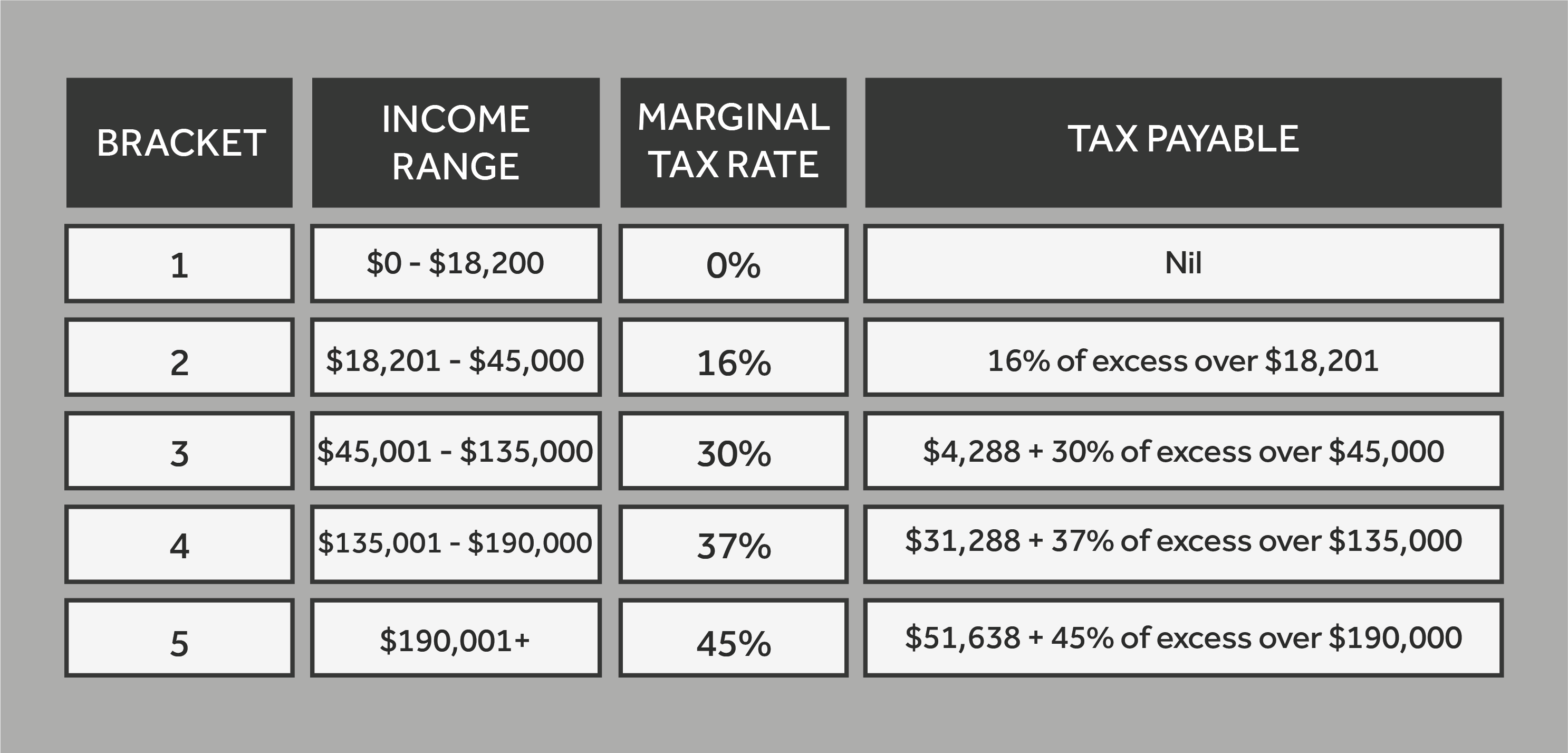
Updated Tax Brackets from July 1, 2024
The revised tax brackets are:
Medicare Low-Income Threshold Adjustment
Additionally, the Medicare low-income threshold will be increased. The Medicare levy, which is 2% of taxable income, is exempted for low-income earners. For the 2024-25 year, individuals earning $26,000 or less will be exempt from paying the Medicare levy. The levy gradually increases after this threshold, with the full 2% paid by those earning more than $32,500. This adjustment represents a 7.1% increase from the 2023-24 thresholds, aligning with inflation.
Redistribution of Tax Benefits
The overall cost of the tax cuts remains unchanged, but the savings are now more evenly distributed. Low and middle-income earners, who previously received minimal benefits, will now see more significant relief. The table below highlights the redistribution of tax cuts:

The stage three tax cuts have been restructured to provide more equitable benefits across various income levels. The initial plan heavily favoured high-income earners, while the revised cuts offer substantial relief to low and middle-income Australians who have faced rising living costs. These changes ensure a fairer distribution of tax savings, supporting a broader segment of the population during challenging economic times. Understanding these adjustments allows taxpayers to better plan their finances and make informed decisions about their economic future.
.png)
Despite significant volatility in bond yields and equities over the past quarter, major markets ultimately finished flat. This persistent tension between resilient economic activity and rising discount rates underscores the complex environment facing diversified multi-asset portfolios.
.png)
Australia's card surcharge rules have changed and the ATO will stop accepting credit card payments from December 2026. Learn how the reforms may affect consumers, small businesses and cash flow management.

Thinking of helping your children enter the property market? Learn the pros and cons of gifts, family loans and guarantor arrangements while protecting your own retirement and financial security.
Stay in the know with the latest updates, insights, and exclusive content delivered straight to your inbox.
