
.jpg)

Market volatility is a natural part of investing, driven by factors like investor behaviour, liquidity, and global events. While short-term fluctuations can be unsettling, long-term market performance has historically delivered strong returns for patient investors. In this article, Kate Borch explains why staying focused on your long-term strategy and avoiding emotional decisions is key to navigating market ups and downs.
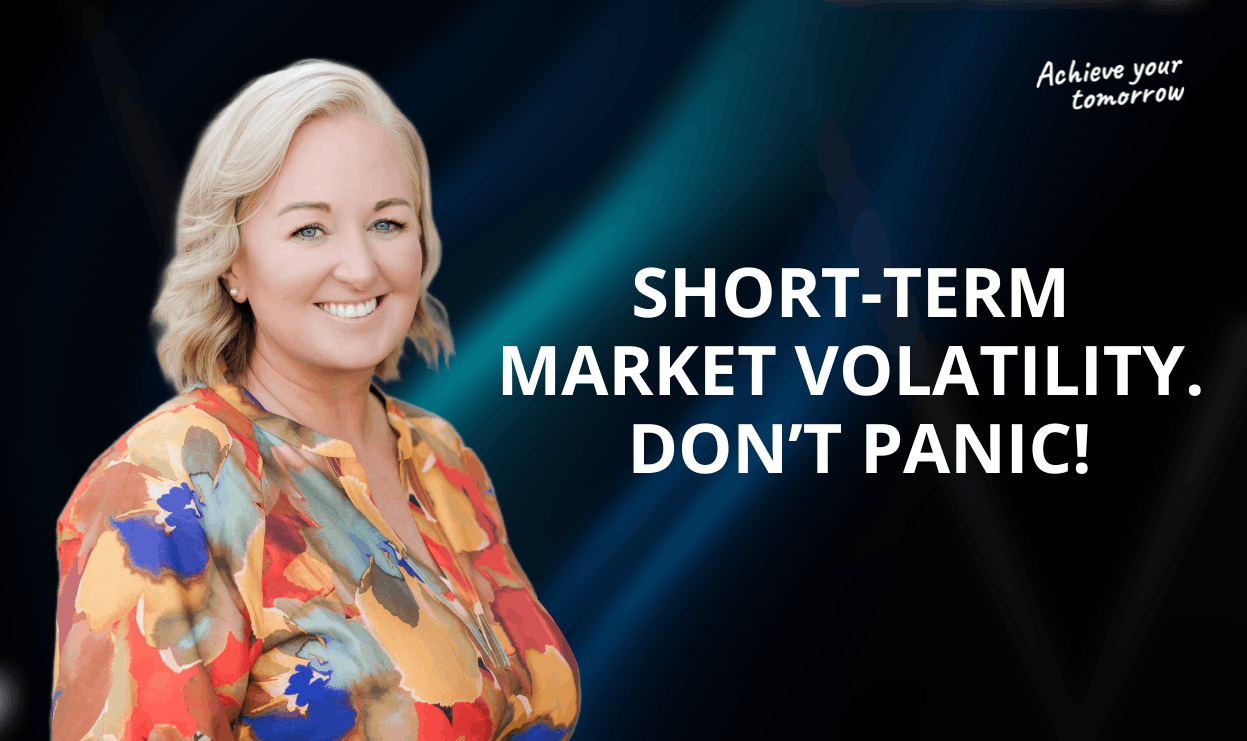
Market volatility is simply part of the share market and investment experience. It can be exciting when prices are rising, but it’s just as stressful when they dip. While we all wish for steady, predictable growth, markets rarely move in a straight line.
After years as a financial adviser, I’ve seen how short-term ups and downs can make investors uneasy - especially during bear markets, when prices are generally heading south.
Understanding what drives these swings and knowing how to handle the emotional rollercoaster can really help you stay on track – in particular following the volatility experienced in March.
Why Does Market Volatility Occur?
Sharp downturns in the market often provoke anxiety among those invested. But what initiates these abrupt changes?
Liquidity: The ease with which shares can be traded means that emotions like fear and greed are swiftly reflected in prices, making movements rapid and dramatic.
Human Behaviour: Investor sentiment - driven by news cycles - fuels the market’s swings. Optimism breeds greed, while pessimism incites fear, magnifying volatility regardless of actual investments performance.
Global Events: Major events such as wars, disasters, political unrest, or economic uncertainty introduce short-term disturbances that can mask the ongoing strength of businesses. The current dynamic in the Middle East is an example of this.
Why You Shouldn’t Fear Volatility
Though volatility may feel unnerving, it impacts both losses and gains. Most investors worry about declines, yet historical data shows global stock markets yield average annual returns around 10-11%. However, these gains are a result of irregular performance over time with some years ranging from +20% while the adverse can occur seeing -10% which reflects the unpredictable nature of investing.
How To Cope With Volatility
Emphasise Long-Term Performance: Understanding that the long-term average outweighs short-term drops is crucial. Corrections and downturns happen, but they don’t define the overall outcome. Often, the biggest gains are achieved in the bounce back after a decline – while the drop isn’t nice, missing the rebound can be just as impactful on your returns.
Avoid Daily Portfolio Checks: My unconventional advice - yet often most beneficial - is to avoid regularly checking your portfolio. Monitoring daily changes is not investing; it’s akin to cheerleading. Share prices fluctuate constantly due to liquidity and sentiment, but success comes from owning robust holdings suited to your investment plan.
Closing Thoughts
Volatility isn’t the adversary - it’s simply part of how markets behave.
By having a long-term focus, you can navigate the highs and lows with greater assurance. If volatility unsettles you, remember: short-term noise is inevitable, but rewards come to those who invest patiently and with discipline.
When putting in place new investments – it is crucial that funds are placed in exposure that aligns well with the time period where the funds are expected to be needed. This will give you added confidence that the likelihood of needing to sell at an inopportune time is minimised.
As always, this is general advice only. If you’re looking to discuss your investment situation, seeking guidance from a qualified financial adviser is recommended.
Global central banks are tightening policy as rising bond yields and long-term fiscal pressures reshape the outlook for Australian investors, with implications for portfolio duration and diversification.

Interest rates affect far more than mortgage repayments. Learn how a prolonged period of higher rates could impact your investments, retirement plans, property and long-term financial strategy.

Proposed changes to discretionary trust taxation could affect Australian business owners, investors and family trusts from 2028. Learn what has been proposed, who may be impacted and the key considerations before taking action.
Stay in the know with the latest updates, insights, and exclusive content delivered straight to your inbox.
