
.jpg)

Chris (66) and Robyn (63) approached retirement wanting clarity around whether their savings could support the lifestyle they truly wanted. With guidance from Aimee Taylor, they discovered they could sustainably draw up to $90,000 per year - well above their initial expectations - while also restructuring their super to reduce potential death benefit tax and strengthen their legacy planning.
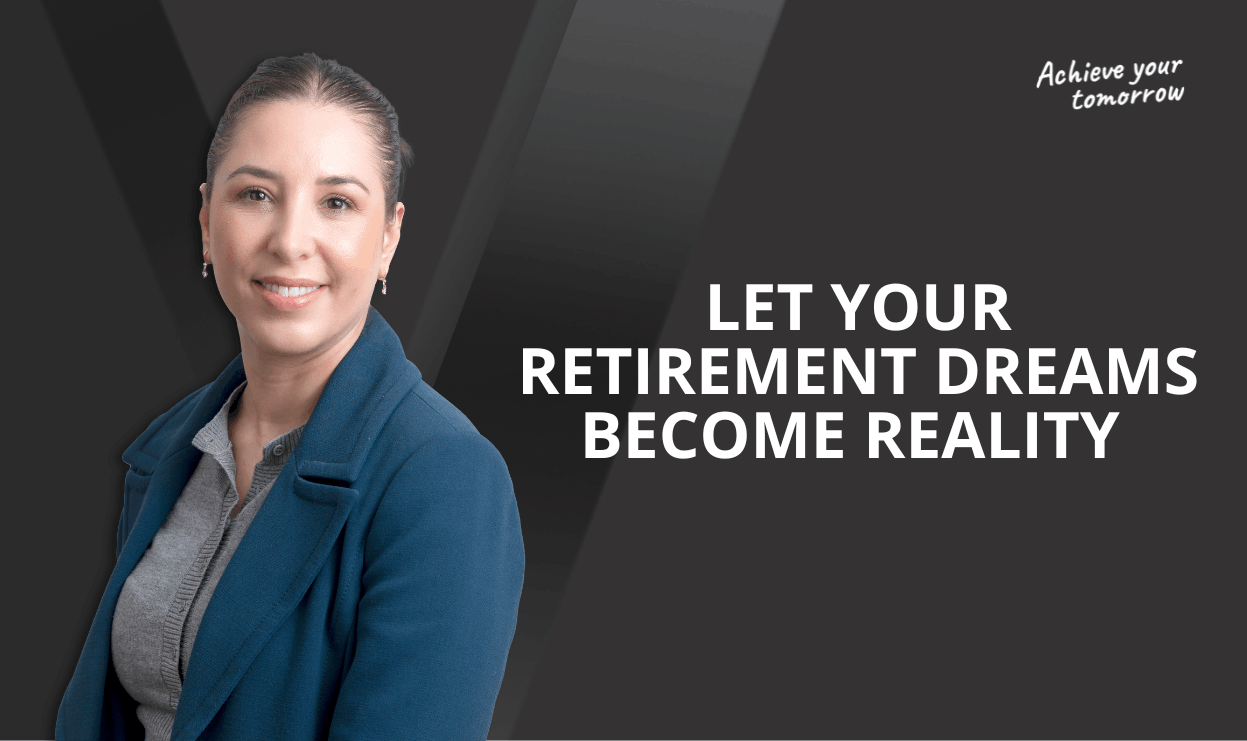
Chris and Robyn, age 66 and 63 respectively, recently received advice from our adviser Aimee Taylor to help their position approaching retirement.
When Robyn retired 12 months ago, she started an account-based pension and began transitioning into retirement. Chris followed not long after, finishing work in January 2026, after utilising long service leave.
At their first meeting with Aimee, Chris and Robyn’s main concern wasn’t tax. Their core worry was whether they had enough to live the retirement they wanted.
Previously, they’d been working towards an income target of about $65,000 per year. However, once Aimee explored what retirement meant for them including travel, spending time with family, and the flexibility to enjoy new grandchildren, it was clear this estimate was too low. Realistically, they were going to need closer to $80,000 per year.
After running detailed projections, Aimee demonstrated that they could sustainably draw around $90,000 per year throughout retirement, beyond standard life expectancy assumptions.
This result completely transformed their confidence.
Where the planning began
Chris had two superannuation accounts.
The first was with an industry fund valued at $72,400, with a 89% taxable component where he’d previously held some personal insurance. The second account was valued at $871,150 and was 100% taxable component due to all contributions made being concessional over his working life.
Robyn had an account-based pension valued at $503,661, with roughly 82% taxable component.
Across the board, most of their retirement savings were taxable component.
While super is primarily intended to fund retirement, Chris and Robyn were also mindful that whatever remained would likely pass to their adult son. As adult children are considered non-tax dependants, taxable super benefits can attract death benefit tax.
It wasn’t their main concern, but it was something worth addressing if achievable.
The opportunity
As Chris would be benefited by consolidating his super balances into a new pension product, funds would be on the move. That created the perfect opportunity to implement a recontribution strategy.
Aimee structured the strategy across two financial years:
This allowed a total of $480,000 each to be shifted from taxable to tax-free component.
For Robyn, this converted the majority of her account-based pension to tax-free component.
For Chris, Aimee established two new account-based pensions. One of $480,000 with his tax-free component (recontributed funds). This account has been quarantined, with only the minimum pension drawn. Chris’s remaining benefits sit in a second, largely taxable pension, which will be used to fund their lifestyle income and any lump sum needs.
By structuring the plan this way, they are deliberately drawing down the taxable component first while preserving the tax-free component for as long as possible. This improves estate outcomes and strengthens long-term flexibility.
In the 2029–30 financial year, once the bring-forward period ends, Aimee will review the strategy again and consider a second recontribution for the remaining taxable balance.
Outcomes
The biggest value for Chris and Robyn wasn’t the tax saving.
It was certainty around their income.
Seeing clearly that they could draw up to $90,000 per year and maintain that beyond life expectancy gave them confidence they could enjoy retirement without questioning the longevity of their funds.
The recontribution strategy delivered a secondary but meaningful outcome: an estimated $149,374 in potential death benefit tax avoided, meaning more of their wealth remains with their adult son.
Final thoughts
As Aimee notes, retirement planning isn’t just about investment returns. It’s about understanding the lifestyle that is achievable and gaining peace of mind you can live out the visions you have when the timing and strategies are correct.
The transition from work to retirement is a key planning window. Often the earlier your goals are verbalised and a roadmap put in the place, the more effective the outcomes.
For Chris and Robyn, that meant more income than expected, greater peace of mind, and a more tax-effective legacy for their son.
.png)
Despite significant volatility in bond yields and equities over the past quarter, major markets ultimately finished flat. This persistent tension between resilient economic activity and rising discount rates underscores the complex environment facing diversified multi-asset portfolios.
.png)
Australia's card surcharge rules have changed and the ATO will stop accepting credit card payments from December 2026. Learn how the reforms may affect consumers, small businesses and cash flow management.

Thinking of helping your children enter the property market? Learn the pros and cons of gifts, family loans and guarantor arrangements while protecting your own retirement and financial security.
Stay in the know with the latest updates, insights, and exclusive content delivered straight to your inbox.
