
.jpg)

There’s no one-size-fits-all super balance for retirement—the amount you need depends on your lifestyle goals, spending habits and potential Age Pension entitlements. This article explores how retirement outcomes can differ with $300,000, $600,000 or $1 million in super, highlighting why focusing on sustainable income is often more important than chasing a specific balance. Discover how thoughtful planning can help you achieve the retirement you want, regardless of your starting point.
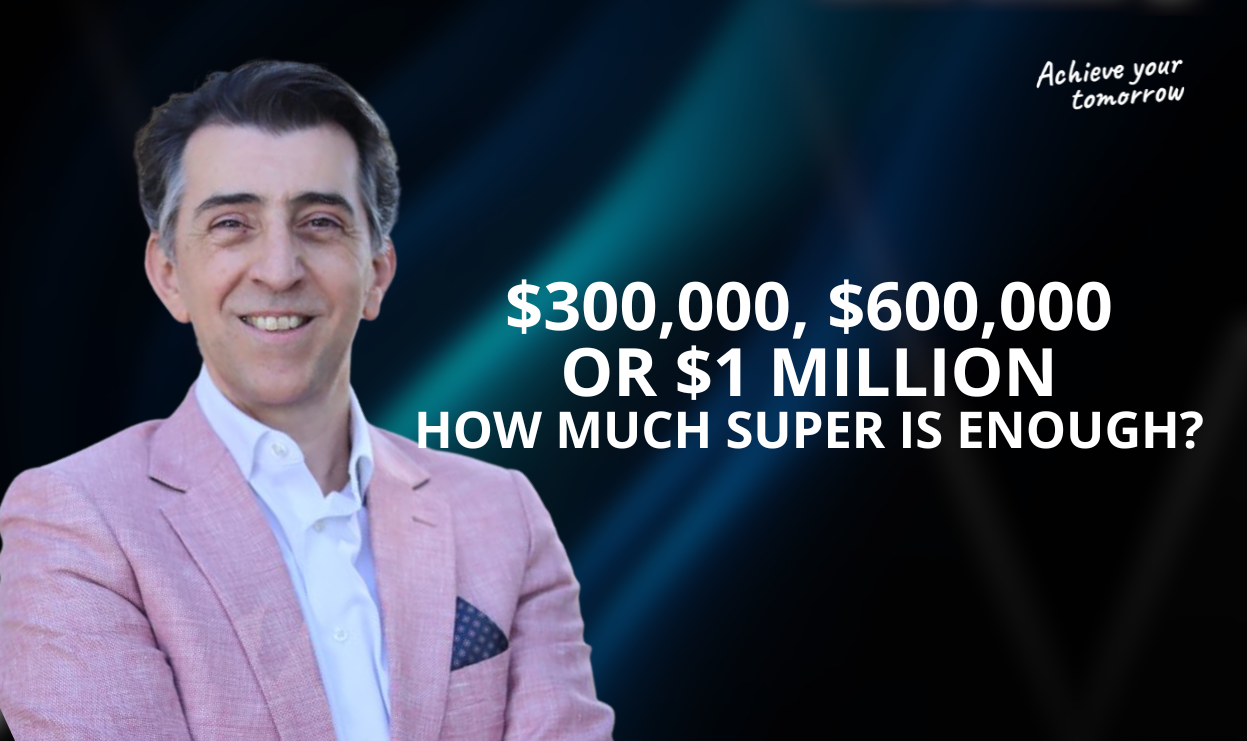
It's one of the most common questions we hear:
"How much super do I need to retire comfortably?"
The answer may surprise you. There is no magic number.
The amount of super you'll need depends on your desired lifestyle, your age at retirement, your spending habits and importantly, whether you're eligible for all or part of the Age Pension.
Rather than focusing solely on a super balance, it's often more useful to think about the income your assets can produce throughout retirement.
Looking Beyond the Balance
Many Australians assume they need a million dollars in super to retire comfortably. While a larger balance certainly provides greater flexibility, many retirees fund a comfortable lifestyle with substantially less thanks to a combination of superannuation and Age Pension benefits.
Let's look at three simplified examples for a retired couple aged 67 who own their home.
The figures below are illustrative only and don't take into account future investment returns, inflation, tax, specific Centrelink entitlements or personal circumstances.
Scenario 1: $300,000 in Super
A couple with $300,000 invested may draw approximately:
Combined retirement income: ~$60,000 per year
For many Australians, this can support a modest but comfortable retirement, particularly when the family home is owned outright.
Scenario 2: $600,000 in Super
With a larger nest egg, the balance between personal savings and government support changes.
Combined retirement income: ~$65,000 per year
This level of savings may provide additional flexibility for travel, hobbies and managing unexpected expenses while still benefiting from some government support.
Scenario 3: $1 Million in Super
A couple entering retirement with $1 million in super may have greater capacity to fund their lifestyle independently.
Combined retirement income: ~$50,000–$65,000+ per year
While Age Pension support may reduce or cease altogether, the higher super balance offers greater flexibility and control over spending decisions.
Why the Age Pension Matters
One of the biggest misconceptions about retirement is that you must fully fund every dollar of retirement income yourself.
In reality, many retirees receive at least some Age Pension support during retirement. As assets reduce over time, Age Pension entitlements may increase and help supplement retirement income.
This is why retirement planning is about much more than simply reaching a particular super balance. Understanding how your assets, income needs and Centrelink entitlements interact can significantly improve long-term outcomes.
The Other Side of the Equation: Spending
Consider these annual spending goals for a retired couple:
.png)
Someone seeking a modest retirement may find $300,000 sufficient when combined with Age Pension support.
A couple wanting regular travel, frequent dining out and additional lifestyle flexibility may require a significantly larger super balance to comfortably fund those goals.
The key question isn't:
"How much super should I have?"
It's:
"What sort of retirement do I want?"
The Earlier You Start, The Better
Building retirement savings doesn't happen overnight.
Regular employer contributions, salary sacrifice arrangements and making additional contributions where appropriate can have a significant impact over time.
Thanks to the power of compounding, money invested earlier has more opportunity to grow and support your future lifestyle.
Even small increases in contributions today can make a meaningful difference over the long term.
Key Takeaways
Whether you retire with $300,000, $600,000 or $1 million in super, the right amount is ultimately the amount that supports your preferred lifestyle.
Retirement planning isn't about chasing an arbitrary number. It's about understanding the income you need, making the most of available strategies and ensuring your savings work alongside any Age Pension entitlements you may receive.
With the right planning, retirement can be less about the size of your balance and more about the freedom and confidence it provides.
General information only. This article does not constitute financial advice. Age Pension entitlements, income levels and retirement outcomes will vary depending on individual circumstances.
.png)
ASX up while Nasdaq falls 4.5% and the AI trade becomes a credit story
As growing pessimism surrounding the AI trade sparks credit concerns in global markets, the Australian index has demonstrated notable resilience. These shifting dynamics highlight the evolving nature of portfolio diversification and the potential benefits of looking beyond traditional tech exposures.
.png)
More Australian families are choosing to transfer wealth before inheritance. Discover the benefits, risks and financial planning considerations of helping children and grandchildren during your lifetime.
Learn how an offset account works, how it can reduce mortgage interest and potentially help pay off your home loan sooner. Discover whether your mortgage is making the most of this powerful feature.
Stay in the know with the latest updates, insights, and exclusive content delivered straight to your inbox.
